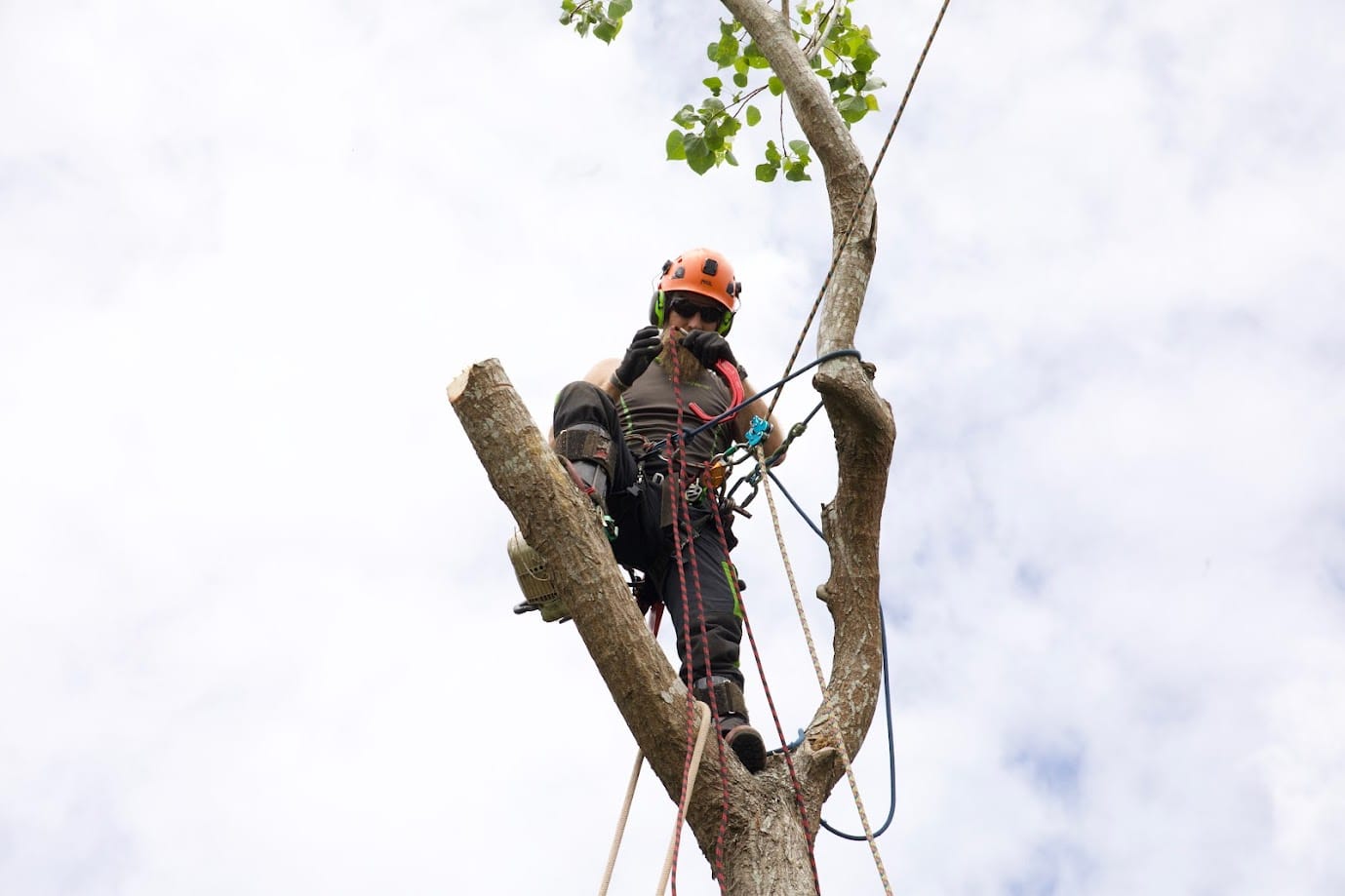
How Arborist Jobs Handle Tree Removal Only When Necessary
Trees add beauty, shade, and character to any property, but age, weather, or disease can make them unsafe. When a tree poses a risk, homeowners may feel unsure whether to remove it or save it. Arborist jobs focus on safety and care, removing trees only when necessary.
Deciding to remove a tree requires careful thought about the tree’s health and its effect on nearby buildings, soil, and people. A proper assessment ensures safety and protects the environment. This blog shows how arborist jobs manage tree removal carefully and only remove trees when needed.
Arborist Jobs Focus On Tree Safety
Safety is the most important part of any tree project. Arborist jobs start with a careful check of the tree to protect people, property, and nearby plants. Dead, diseased, or weak trees can be dangerous.
Signs of hazardous trees include:
✓ Extensive trunk or branch decay
✓ Cracks or splits in the main trunk or large limbs
✓ Fungal growth, such as mushrooms or other visible signs of rot
✓ Significant leaning or unusual growth patterns
✓ Dead or hanging branches that may fall unexpectedly
✓ Evidence of soil movement or root instability
Assessing Risks Before Any Tree Removal
Before any tree is removed, a thorough risk assessment is essential. Arborists jobs examine every part of the tree and its surroundings to make informed decisions about safety and removal.
✓ Disease and Pest Infestation: Trees affected by diseases such as Dutch Elm Disease, Myrtle Rust, or Cypress Canker can become structurally weakened. Severe pest infestations, including borer beetles, can also make trees unstable. A certified arborist tree inspection for safety in NZ can identify these issues early and ensure timely removal to protect surrounding trees.
✓ Storm and Weather Damage: Strong winds, heavy rain, and severe storms can compromise a tree’s roots and branch structure. Arborists assess the overall stability of the tree to determine whether pruning is sufficient or if full removal is required to maintain safety.
✓ Obstruction or Encroachment: Trees that block driveways, walkways, or encroach on neighbouring properties can pose safety risks. Arborists evaluate whether selective trimming will resolve the issue or if complete removal is necessary to keep the area safe and accessible.
Here is a revised version of the blog section. I have simplified the language, used active voice to make it more engaging, and added clear headings to make it easier for a high school student to scan and understand.
Tree Removal: The Last Resort
Removing a tree is a big decision. That’s why certified arborists (tree specialists) treat it as the final option. Before we decide to cut a tree down, we go through a checklist of health and safety solutions to see if we can save it.
Here are the three main steps we take to keep a tree standing safe and healthy.
1. Pruning and Trimming
Think of this as essential maintenance. By removing dead or weak branches, we reduce the risk of limbs falling and hurting someone.
✓ Safety First: We identify dangerous branches and remove only what is necessary.
✓ Clearance: Regular trimming keeps trees from growing into power lines, buildings, or pathways.
✓ Long-Term Health: A well-maintained canopy strengthens the entire tree, reducing the likelihood of needing removal in the future.
2. Cabling and Bracing
Sometimes a tree has a strong trunk but weak branches. Instead of cutting it down, we can give it structural support.
✓ Extra Strength: We install cables and braces to stabilise weak limbs.
✓ Storm Protection: This added support helps prevent branches from snapping during high winds or storms.
✓ Preservation: These techniques keep the tree stable and natural, delaying or avoiding the need for removal.
3. Fighting Pests and Diseases
Just like people, trees can get sick. If we catch an infection early, we can often cure it.
✓ Targeted Treatment: Arborists apply specific treatments to control fungi, bacteria, or insect infestations that threaten the tree.
✓ Protecting the Garden: Prompt treatment helps prevent diseases from spreading to nearby plants and trees.
✓ Regular Check-ups: We monitor the tree’s progress to ensure treatments are effective. If the tree recovers, it remains in place; removal is only considered if it becomes unsafe.
Understanding the Tree Health Evaluation Process
Arborists rely on a systematic tree health evaluation process before making removal decisions. This process examines multiple factors:
Root Health and Stability
Healthy roots anchor a tree firmly and provide the support it needs to withstand wind and storms. Arborists’ jobs examine roots for signs of rot, damage, or soil movement, which may indicate instability and increase the risk of the tree falling.
They also assess soil conditions around the roots, including compaction, erosion, and drainage. Understanding root health helps arborists decide whether the tree can be preserved with care or whether removal is necessary for safety.
Trunk Integrity
The trunk supports the whole tree, so its condition is very important. Arborists look for cracks, splits, cavities, or decay that could make the tree unsafe.
Special tools may be used to detect hidden decay inside the trunk. This helps decide whether pruning, bracing, or complete removal is the safest option.
Branch Structure and Canopy Condition
A tree’s branches and canopy play a key role in keeping it balanced and strong. Weak, dead, or uneven limbs can create safety risks and need careful attention.
Pests, disease, or canopy stress can make the tree unstable. Proper pruning, support, or treatment can improve safety and often prevent the need for complete removal.
Soil and Site Conditions
The soil supporting a tree directly affects its health and stability. Arborists’ jobs are to evaluate soil type, compaction, drainage, and nutrient availability to identify potential weaknesses or stress factors.
Site conditions, including slopes, water flow, and nearby structures, are also considered. This ensures that any interventions, from pruning to removal, are safe and effective without harming the surrounding environment.
Environmental Factors
A tree’s surroundings are key to planning safe removal or maintenance. Arborists’ jobs consider nearby buildings, fences, powerlines, and other vegetation to avoid accidental damage during work.
They also take into account the local ecosystem, protecting wildlife habitats and nearby plants. Balancing safety with environmental care ensures that tree management supports both property and nature.
Environmental Impact Of Tree Removal Decisions
Tree removal affects more than just safety; it can also impact the surrounding environment. Arborists’ jobs consider these effects to make sure removal is done responsibly and in a sustainable way.
Wildlife Protection
Trees are home to a wide range of wildlife, including birds, insects and small mammals. Removing a tree can disturb these animals, so careful planning is essential.
Arborists’ jobs may include checking for nests and dens, avoiding work during breeding seasons, and relocating creatures where possible. These steps ensure that local wildlife is protected, even when tree removal is unavoidable.
Maintaining Natural Balance
A tree’s roots and canopy are essential for keeping the soil stable and sustaining the surrounding ecosystem. If a tree is taken out without careful consideration, the area can suffer from soil erosion, reduced fertility, and the decline of neighbouring vegetation.
To avoid these problems, arborists may carry out phased removals, preserve parts of the root structure, or put protective measures in place. Such approaches help safeguard the site’s natural balance and minimise the risk of lasting environmental harm.
Preserving Native Species
Arborists’ jobs remove only dangerous, diseased, or invasive trees, ensuring healthy native trees remain in place. Protecting these native trees helps keep local wildlife safe and supports a balanced ecosystem.
Native trees clean the air, provide shelter for animals, and keep the landscape looking natural. Focusing on these trees ensures that any removal is done responsibly and without harming the environment.
Planning for Replanting
When tree removal is unavoidable, arborists often recommend replanting with suitable native species. This restores the ecological balance and replaces the benefits lost from the removed tree.
Replanting helps provide shade, support wildlife habitats, and maintain soil stability. Thoughtful planning ensures that the removal has minimal long-term impact and that the area continues to thrive.
Equipment Used During Arborist Jobs Safely
Safe tree removal relies on both skilled professionals and the right equipment. Arborists’ jobs use specialised tools designed to protect the tree, the surrounding property, and themselves.
Standard tools and techniques include:
✓ Chainsaws: Professionally maintained and selected according to the tree’s size and complexity.
✓ Rigging Equipment: Ropes, pulleys, and harnesses allow for the controlled lowering of heavy branches and tree sections.
✓ Cranes and Lifts: Used for large, hazardous, or hard-to-reach trees.
✓ Protective Barriers and Ground Mats: Safeguard landscapes, buildings, and pedestrian areas during tree work.
Following Legal and Safety Guidelines Always
Knowing how do arborists decide if a tree needs removing in NZ means understanding that safety and rules come first. Arborists’ jobs follow laws to keep people, property, and the environment safe.
✓ Local Council Regulations: Many councils require permits for tree removal, particularly for large or native trees. Arborists obtain all necessary approvals before work begins.
✓ Health and Safety Legislation: Tree work is governed by the New Zealand Health and Safety at Work Act. Comprehensive risk assessments and safety plans are completed for every major job.
✓ Protected Species Considerations: Certain trees and habitats are legally protected. Arborists check all relevant regulations before taking any action.
Replanting After Responsible Tree Removal
When a tree is taken down, planting a new one helps keep the environment healthy. New trees provide shade, support wildlife, and prevent soil erosion. Careful choice of species ensures the tree grows well in the available space and climate.
Many arborists select native plants that attract birds, need less water, and support the local environment. In smaller spaces, they may recommend smaller or slow-growing trees to avoid future problems with roots or branches. This approach helps prevent long-term damage to soil or surrounding plants.
Replanting advice is based on lessons learned during tree removal and usually covers watering, spacing, and care. Professionals may check later to see how the new trees are growing and adjust if needed. Arborist jobs often include this step to keep green spaces healthy and sustainable.
Responsible Tree Removal Practices Matter
Removing a tree is not just about cutting it down. Arborists jobs make careful decisions based on safety, tree health, and environmental impact. Each tree receives an individual assessment, and expert advice ensures the safety and protection of nature.
The Treeman offers reliable help with inspecting or removing trees, always following safety rules and protecting the environment. With experience in assessment, removal, and replanting, the focus is on long-term results, not quick fixes. Arborist jobs use expert knowledge and careful planning to manage trees safely and responsibly.