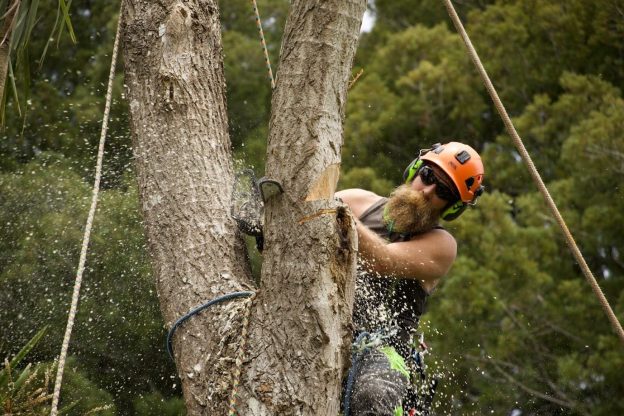
Tree Removal & Felling
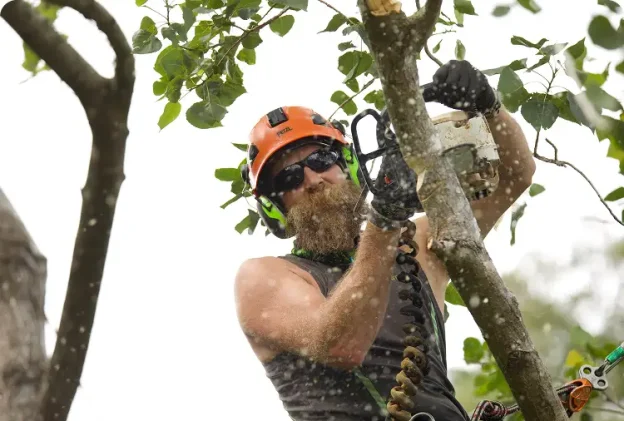
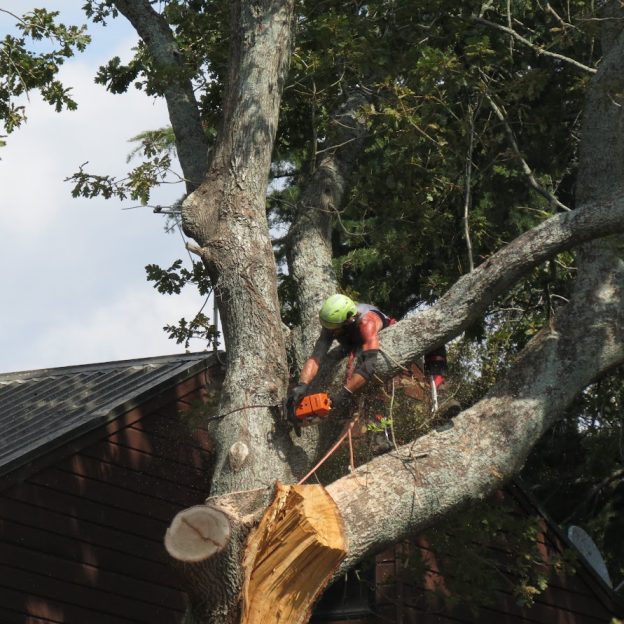
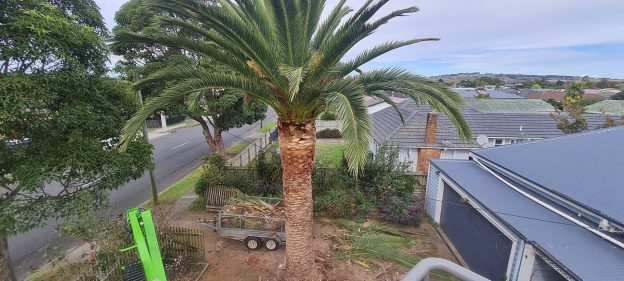
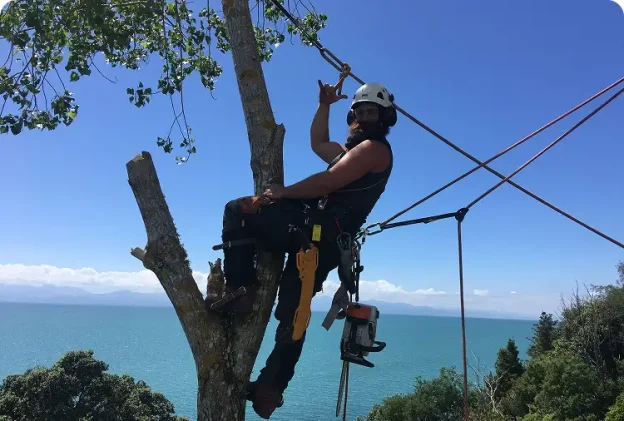
Regular tree pruning can improve the health, safety and appearance of your trees. Correct pruning encourages healthy growth, removes damaged or poorly formed branches and can help manage the size and shape of a tree.
Our qualified arborists provide professional tree trimming and pruning throughout South Auckland and Franklin. The type of pruning we recommend will depend on the species, age and condition of the tree, as well as what you want to achieve.
Sometimes a tree that appears to need removal can instead be retained through careful pruning. Problems such as excessive shade, branches over buildings or driveways, storm damage, or interference with powerlines may be able to be managed without removing the whole tree.
Reasons for pruning your trees include:
• Deadwood removal: Dead or dying branches can eventually fall, creating a risk to people, vehicles and property.
• Damaged or diseased branches: Removing affected limbs can improve tree health and reduce the risk of branch failure.
• Crossing or rubbing branches: Branches rubbing against each other can cause wounds and create potential weak points.
• Crown thinning: Selective pruning can reduce canopy density, improve airflow and allow more light through the tree.
• Crown reduction: Carefully reducing the height or spread of a tree can help manage trees that have outgrown their available space.
• Crown lifting: Removing selected lower branches can provide clearance over driveways, paths, buildings and other areas.
• Storm-damaged trees: Corrective pruning can remove damaged limbs and help manage the remaining tree safely.
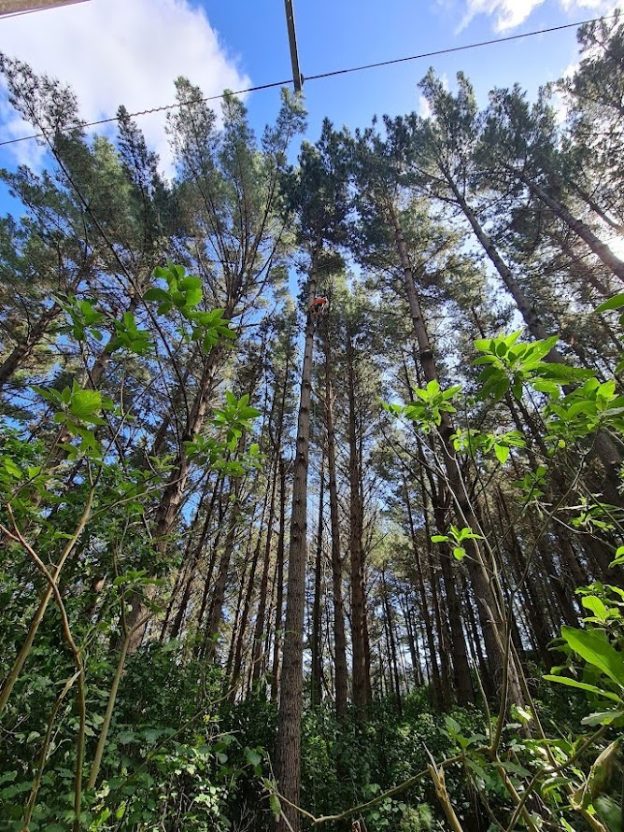
• Weight reduction: Selective pruning can reduce excessive weight on overextended or heavily loaded branches, helping to manage the risk of branch failure while retaining the tree.
• Powerline clearance: Our experienced arborists undertake tree work around powerlines in accordance with the required safety procedures. The Treeman is a preferred contractor for Counties Energy.
Good pruning is about more than simply cutting branches. Poor or excessive pruning can damage a tree and create problems in the future. Our arborists assess each tree and recommend an appropriate pruning method to achieve the desired result while protecting the tree’s long-term health and structure.

Our qualified arborists assess each tree individually, taking into account its species, age, condition, structure and location. Our aim is to achieve the result you want while retaining a healthy, well-structured tree wherever possible.
Whether you need crown reduction, crown lifting, canopy thinning, clearance from buildings or pruning around powerlines, we use appropriate arboricultural techniques to carefully manage the tree. Correct pruning can improve clearance, reduce excessive weight, manage shade and help maintain the long-term health and structure of your trees.
Fruit trees require careful pruning to maintain their health, shape and productivity. Knowing when and where to make pruning cuts is particularly important, as incorrect pruning can remove fruiting wood and significantly reduce the following season’s crop.
Different fruit trees produce fruit on different types and ages of wood. Apples and pears commonly produce much of their fruit on established fruiting spurs, while stone fruit such as peaches, nectarines, plums, apricots and cherries have different fruiting habits depending on the species and variety. Understanding these differences helps us decide which growth should be retained and which can be removed.
Correct fruit tree pruning can help to:
• maintain a manageable tree size
• improve sunlight and airflow through the canopy
• remove dead, damaged, diseased or crossing branches
• improve access when picking fruit
• encourage healthy new growth
• retain productive fruiting wood
• improve the structure and long-term health of the tree
Timing is also important. The best time to prune depends on the type of fruit tree, its condition and what the pruning is intended to achieve. Some trees are best pruned while dormant, while certain stone fruit may be better pruned during dry weather at other times of the year to reduce disease risk.
Our qualified arborists can assess your fruit trees and recommend appropriate pruning to balance tree health, size, structure and future fruit production
Tree topping is the indiscriminate removal of large branches or the upper canopy of a tree, usually in an attempt to quickly reduce its height or size. Although it may appear to solve the problem, topping can seriously damage the tree and create greater problems in the future.
Removing a large proportion of the canopy reduces the tree’s ability to produce the energy it needs. In response, the tree may rapidly produce multiple new shoots below the pruning cuts. This regrowth can be vigorous but poorly attached, potentially creating weak branches that are more susceptible to failure as they become larger.
Large or poorly positioned cuts can also make it more difficult for the tree to seal off damaged tissue, increasing the potential for decay to develop.
If a tree has become too large for its location, professional crown reduction is generally a better option. Crown reduction selectively reduces the height or spread of the canopy while retaining suitable branches and the tree’s natural form.
Correct pruning aims to manage the size and structure of the tree without unnecessarily compromising its health, stability or appearance.