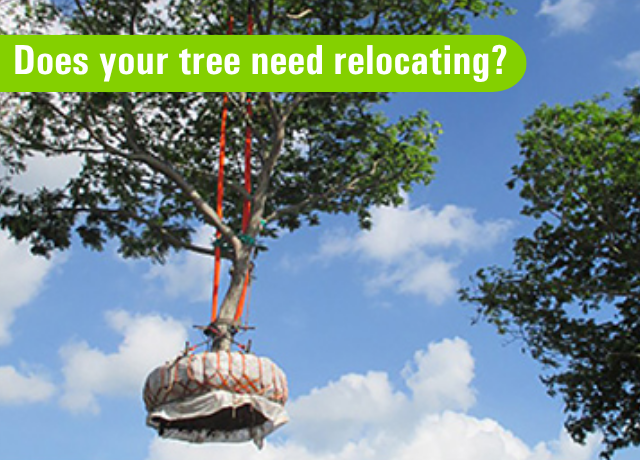
Transplanting trees
Transplanting trees is a good option if you want to change things in your garden eg. build a deck or build a granny flat. Perhaps the tree just does not seem to be thriving in the place it is.
For the home gardener, the tree needs to be manageable for the transplant to be successful, but it’s definitely a good option if you follow some basic steps.
Autumn is one of the best times of year to transplant trees—and understanding why can make all the difference to the tree’s success and thriving for years to come.
As temperatures begin to cool and rainfall increases, trees naturally shift their energy away from active growth and towards root development. This makes autumn an ideal window for moving or planting trees, as they can establish roots without the stress of summer heat. Soil conditions in Autumn are perfect—moist but still warm enough to encourage root growth.
When transplanting trees, the key to success is to minimise shock. Start by selecting a suitable day—cool, overcast conditions are ideal. Carefully dig around the root zone, preserving as much of the root ball as possible. The more roots you retain, the better the tree’s chances of survival.
Preparing the new planting site is just as important. Ensure the hole is wide enough to accommodate the root system without crowding. If you can dig a hole twice as big as the root ball, even better. Make sure the soil is well-draining.
Planting too deeply can result in the roots dying, or the roots may dry out and die. Place the plant at the same level as before, or just at the point where the trunk starts to get wider at the base, called the root flare.
Stake your tree so there is no movement while the tree establishes itself. You can loosen these as the tree becomes more stable with its own structural supporting buttress roots.
After planting, watering is critical to protecting the roots. Even though rainfall is more frequent in autumn, newly transplanted trees still need consistent moisture to settle in. Check the tree regularly to make sure the roots have no opportunity to dry out, but do not allow them to get waterlogged.
Mulching around the dripline can help retain soil moisture and regulate temperatures. Take care not to mulch up to or touch the trunk.
One common mistake is over-pruning at transplant time. While some light trimming may be beneficial, removing too much foliage can reduce the tree’s ability to produce energy. Focus instead on maintaining a balance between roots and canopy.
Done correctly, transplanting can set trees up for strong growth in spring. It’s a practical, effective way to reshape your landscape while giving your trees a second chance to thrive somewhere else.