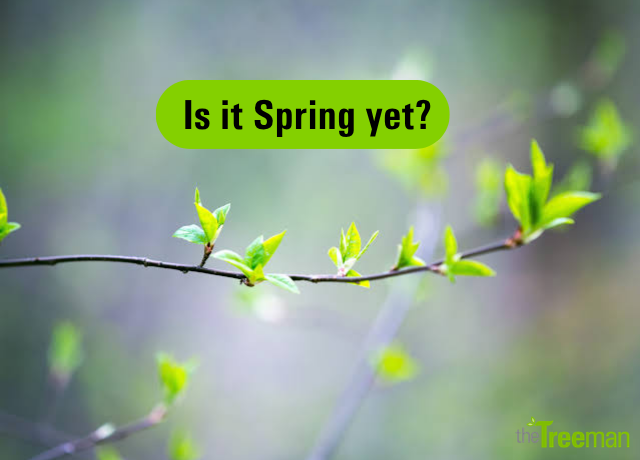
What makes trees wake up in Spring?
As winter ends and the days become warmer, our trees begin responding to changes in their environment. Spring growth can sometimes seem to happen almost overnight, but trees have actually been preparing for it for months.
Many trees need to experience a period of cooler winter temperatures before their buds are ready to grow. This helps prevent them from opening during a few unusually warm winter days.
So, how does a tree know that spring has arrived and what to look for as the trees start to bud up.
Read more …..
Trees aren’t really asleep; leaf loss is a protective mechanism for the colder temperatures.
During winter, many deciduous trees enter a period called dormancy. Growth slows, leaves are shed and the tree conserves energy. This helps protect tender growing tissues during colder conditions.
Although the branches may look bare and inactive, the tree is still very much alive. Buds containing the beginnings of this year’s leaves and shoots that were generally formed during the previous growing season, are getting ready for the right conditions.
Changes in temperature makes all the difference.
One of the most important signals for spring growth is temperature.
Many trees need to experience a period of cooler winter temperatures before their buds are ready to grow. This helps prevent them from opening during a few unusually warm winter days.
Once the “cold hours” requirement has been met, warmer spring temperatures then encourage the buds to swell and eventually burst open.
Climate changes can affect trees. Warmer winters and earlier spring temperatures can influence when some tree species come into leaf, flower and produce fruit. We can see this sometimes when a tree seems to have been fooled into thinking its spring and flowers during winter only to have precious flowers and leaves damaged by frosts.
Longer Days Provide Another Clue
Trees can also respond to changing day length. As spring approaches, daylight hours increase, providing another signal that the growing season is beginning.
Different species respond differently, which is why you may see one tree covered in new leaves while another nearby still appears dormant. The Cherry trees are often early to flower and the Persian Silk tree is often bare well into late Spring
Where does the energy come from?
Growing an entire new canopy requires a lot of energy.
During the previous growing season, trees produce sugars through photosynthesis and store some of this energy in their roots, trunk and branches. For deciduous trees some of those vital nutrients will have come from re absorption from the leaves creating the autumnal colours.
When spring arrives, these stored reserves help produce the first flush of shoots and leaves. Once the new leaves have expanded, they begin photosynthesising and producing energy for the tree again.
Take a look at your trees this Spring
Spring growth can also reveal a lot about a tree’s health. Healthy, even growth throughout the canopy is encouraging, while branches that fail to produce leaves, sparse foliage or areas of dieback can indicate stress or decline.
If you’re unsure whether a tree is simply a late starter or something more is going on, The Treeman’s qualified arborists can assess its condition and recommend the best course of action.
This spring, take a moment to look up. That sudden burst of green isn’t quite as sudden as it seems – your trees have been preparing for it all winter.